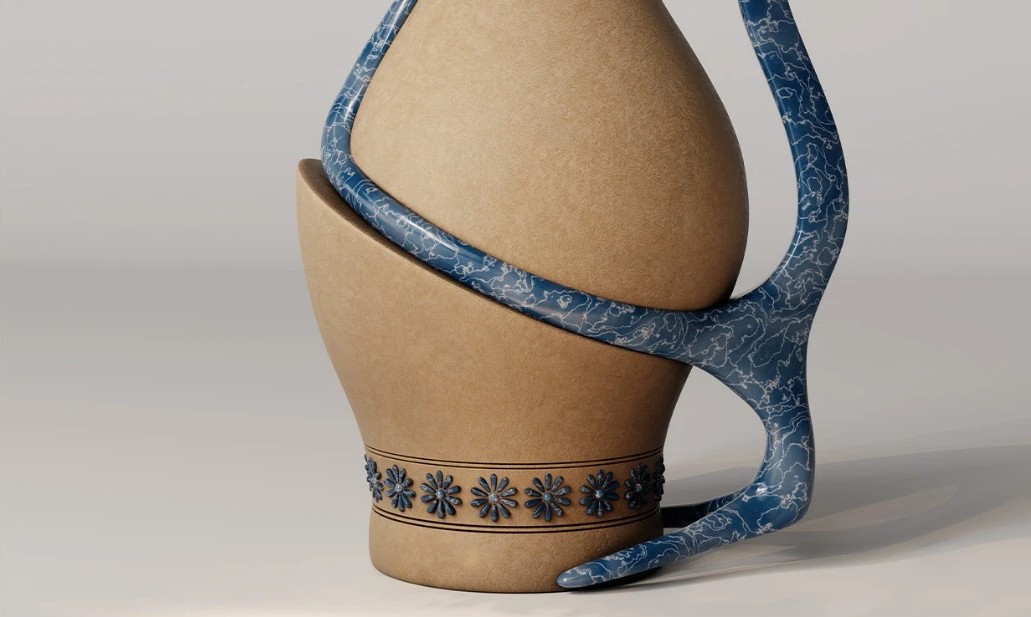
Every city carries its past in its walls. The question for architects is not whether to keep that memory, but how to let it live alongside the way people build and live today.
Listening to what is already there
Before a single line is drawn, we study what a place already knows: how its old houses turn away from the street, where shade falls in the afternoon, which materials have weathered well over generations. These lessons are rarely written down, but they are visible in every courtyard and screen.
Heritage, in this sense, is less a style to copy than a set of tested answers to climate, privacy and community. The courtyard, the shanasheel and the thick masonry wall each solve a problem that still exists.
New materials, old principles
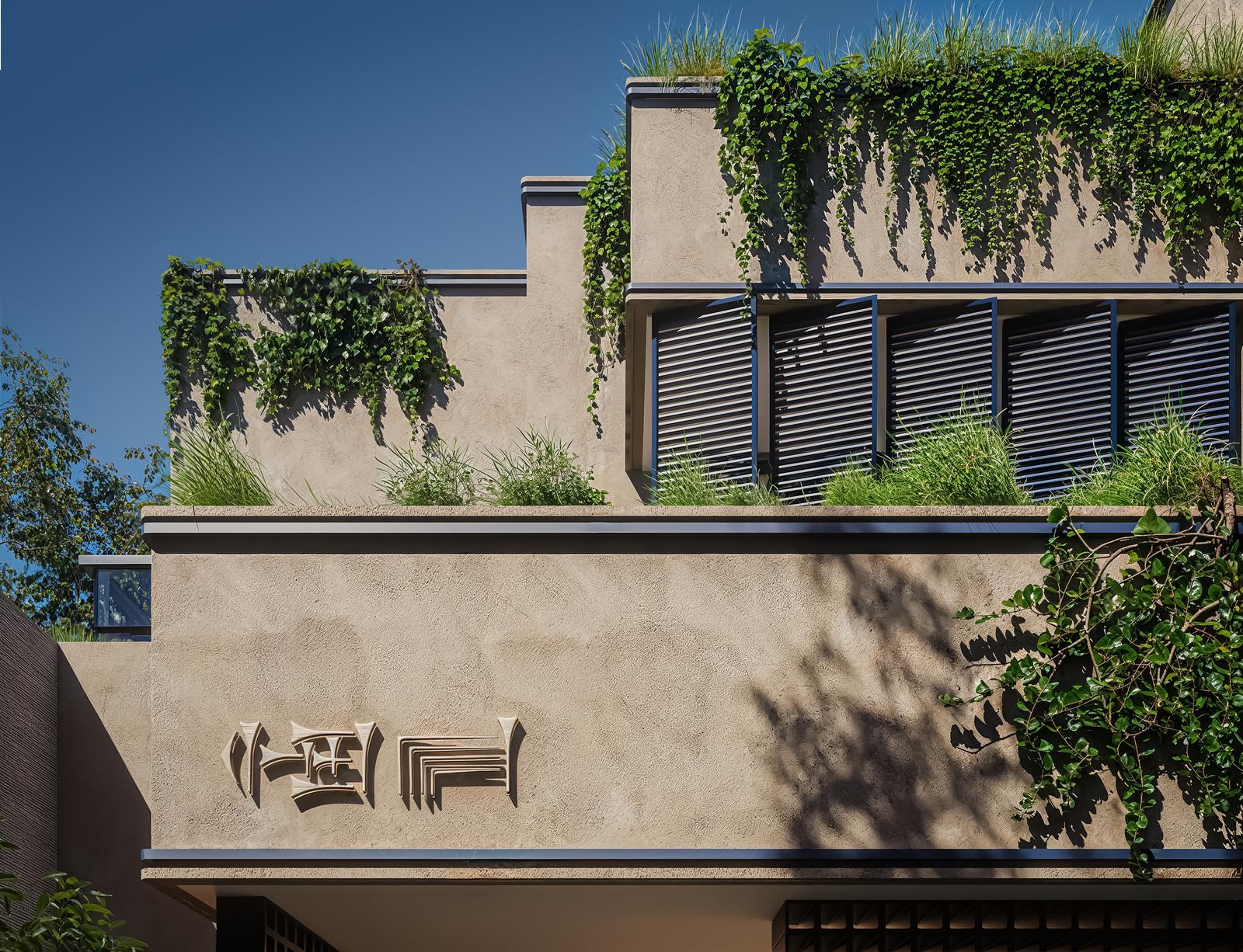
Contemporary construction brings new possibilities: precise glazing, engineered timber, efficient shading systems. Used well, they let us carry traditional principles further, with more daylight and better comfort for less energy.
Heritage is less a style to copy than a set of tested answers to climate, privacy and community.
What we carry forward
- Shade first: deep openings, louvres and planting before mechanical cooling.
- Thresholds that protect privacy while letting a home open up.
- Materials that age well and can be repaired by local craftspeople.
The result is architecture that feels familiar without being nostalgic, rooted in its place and ready for the way families live now.